With the Easter bank holiday underway and many people expected on the roads this weekend, drivers need to check that their details are correct & current.
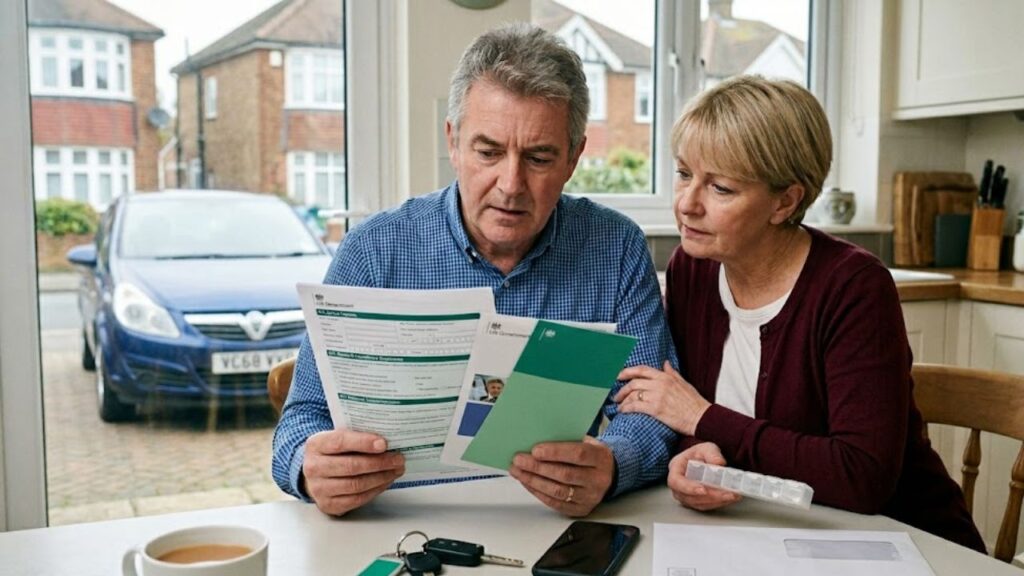
People with certain medical conditions must tell the Driver and Vehicle Licensing Agency or they could face fines up to £1,000.
 PIP Application Update 2026: Revised Assessment Process May Affect Approval Rates for Claimants
Drivers can check if their condition needs to be reported by visiting Gov.uk where they will find the forms & questionnaires they need.

There are different forms for different conditions and disabilities.
If you are not sure about the process you can contact the DVLA directly.
Gov.uk states that you must tell DVLA if you have a driving licence and develop a medical condition or disability that could affect your driving.
You also need to report it if a condition you already have gets worse since you got your licence.
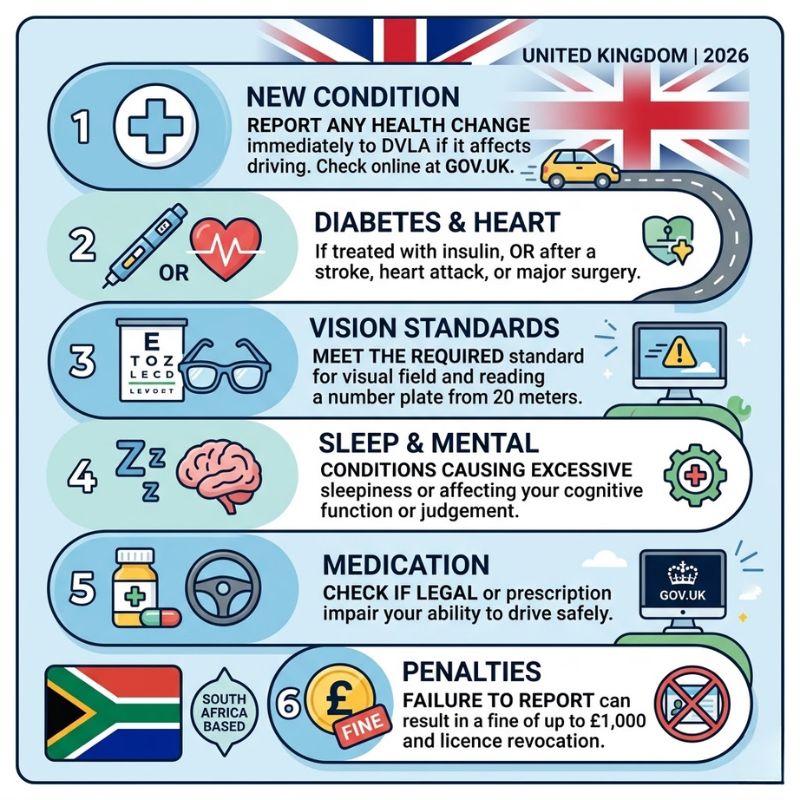
If you do not tell DVLA about a condition that might affect your ability to drive safely you could be fined up to £1,000.
You could also face prosecution if you have an accident.
Conditions that need to be reported include anything that could affect your ability to drive safely.
This includes diabetes or insulin use, fainting heart conditions like atrial fibrillation and pacemakers, sleep apnoea, epilepsy, strokes & glaucoma.
The DVLA says more than 180 medical conditions may affect safe driving.
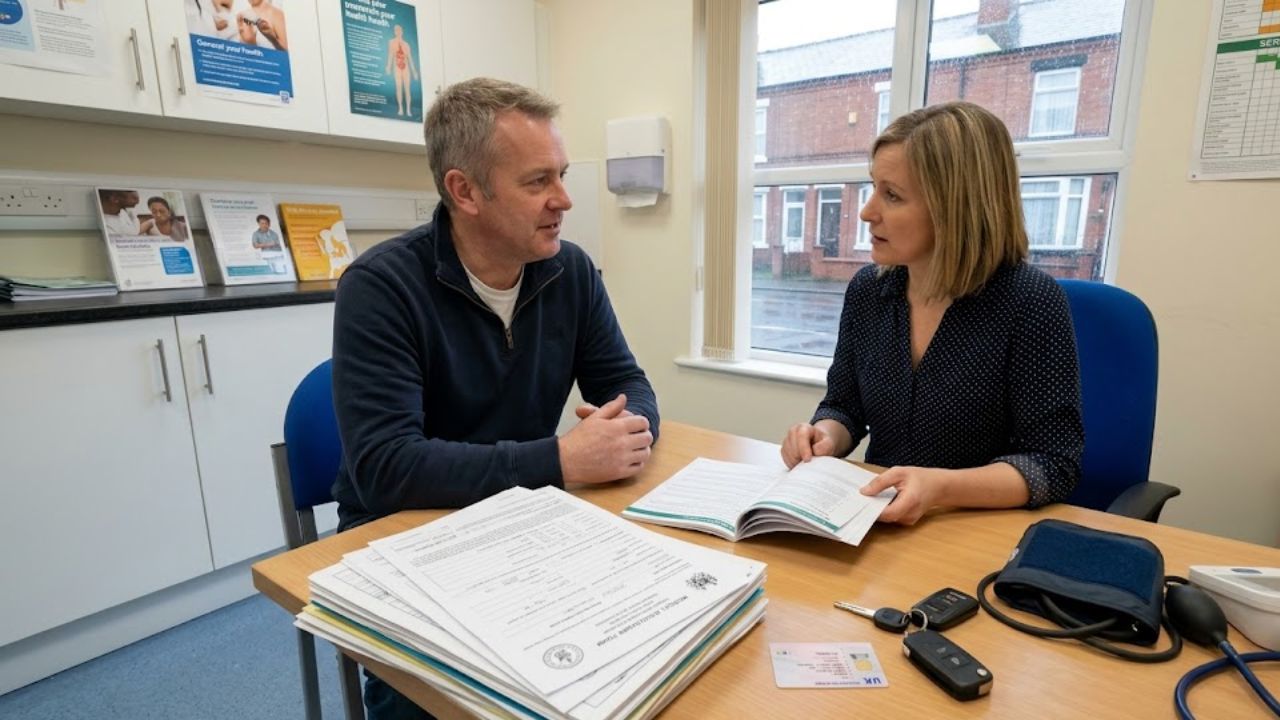
You can find the full list on Gov.uk.
Drivers must tell the DVLA about specific medical conditions.
For diabetes you need to notify the DVLA if your insulin therapy lasts or is expected to last longer than three months.
You also need to report if you had diabetes during pregnancy and your insulin therapy continues beyond three months after giving birth.
You must also report if you have low blood sugar episodes that are disabling or if a doctor has warned you about the risk of developing them.
For cancer or lymphoma you only need to inform the DVLA if you have problems with your brain or nervous system.
You also need to report it if your doctor says you may not be fit to drive or if you can only drive specific vehicle types or need vehicle adaptations.
You should also report it if your medication causes side effects that could affect your driving.

If you are unsure whether cancer might impact your driving ability you should ask your doctor.
Other conditions on the list include agoraphobia, alcohol problems, Alzheimer’s disease, amputations, anorexia, anxiety, heart rhythm problems, arthritis, ADHD AIDS, bipolar disorder blood clots, high blood pressure, brain injuries, brain tumours, broken limbs cataracts, cerebral palsy cognitive problems, heart disease, fits or seizures, dementia, depression if it affects driving, double vision, dizziness or vertigo if sudden or recurrent drug use, eye conditions like glaucoma, serious head injury heart failure if it affects driving, Huntington’s disease, learning disabilities, limb disability, motor neurone disease, muscular dystrophy, narcolepsy night blindness, excessive sleepiness pacemakers, schizophrenia, Parkinson’s disease, personality disorder post traumatic stress disorder if it affects driving, psychosis severe memory problems and stroke if you still have problems after one month.
Surgery that prevents you from driving after three months Blackouts or fainting episodes Epilepsy or seizure disorders Sleep apnoea Schizo-affective disorder Schizophrenia Scotoma Communication disorders that affect safe driving Spinal conditions or injuries including spinal surgery Subarachnoid haemorrhage Tachycardia Tourette’s syndrome that affects safe driving Tunnel vision Usher syndrome Poor visual acuity Vertigo Visual field defect VP shunts Wolff-Parkinson-White syndrome.
Some situations require you to give up your driving licence to the DVLA
You need to return your licence to the DVLA under specific circumstances.
This includes when your doctor tells you to stop driving for three months or more.
You also need to surrender it if your medical condition affects your driving safety for three months or longer.
Also you must hand it in if you cannot meet the required driving standards because of your medical condition.
You can apply for your licence again once you meet the medical standards for driving.
After you notify the DVLA about your health condition Gov.uk states that you will receive a decision by letter.
Your application might require additional information from a healthcare professional based on your specific condition.
The DVLA might contact your GP or consultant.
They may arrange a medical examination.
They could request a driving assessment.
They might also require an eyesight test or driving test.
The process may take longer than usual if a doctor needs to review your case unless you are applying for a bus or lorry licence.
You can typically continue driving while the DVLA reviews your application.