A new tax year starts on Monday April 6 and with it all sorts of financial limits and thresholds will be reset or adjusted for 2026-2027.
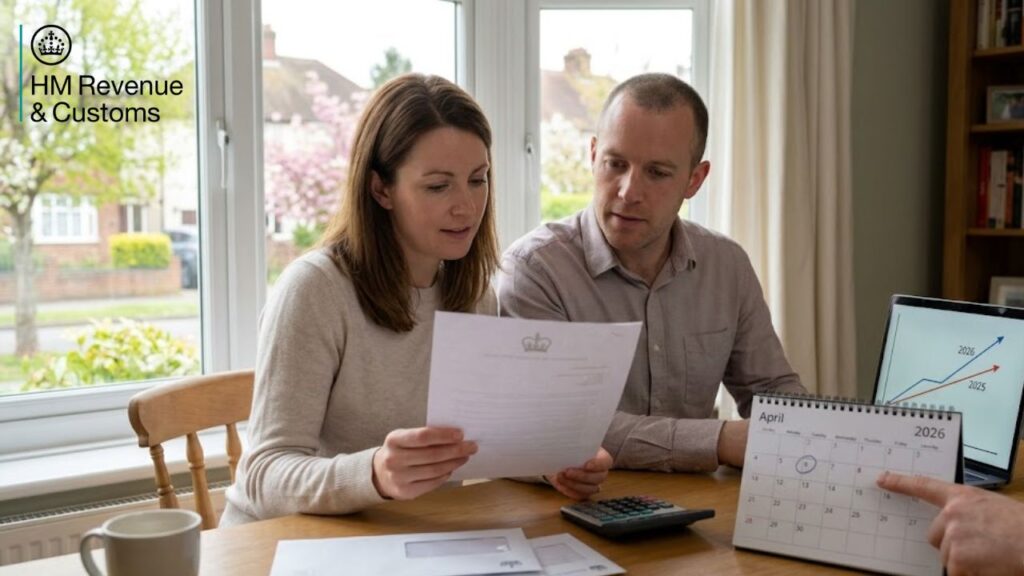
Because HMRC tax rules follow financial years rather than calendar years various allowances & thresholds run from April to April instead of January to December.
 DVLA Health Reporting Rules 2026: Updated Medical Disclosure Requirements Drivers Must Follow
From this Monday April 6 everyone with an income will see their tax-free Personal Allowance limit reset with a fresh allowance for 2026-27.
 PIP Application Update 2026: Revised Assessment Process May Affect Approval Rates for Claimants
It means that workers who used up their entire tax-free allowance for 2025-26 will be able to earn more tax-free money for this coming tax year from Monday.
The bad news is that unlike state pensions and Universal Credit and various other benefits the tax-free Personal Allowance will not be increased from April 6.

From April 6 the tax-free Personal Allowance will be reset for the new tax year but it will be £12,570 again. This is the exact same amount it was last year and in fact it has not been changed since 2021 when it was put up by £70.
It means that workers can only earn £12570 tax-free in a single year before they must start to pay Income Tax at 20% of their income on every £1 above that threshold.
The government explains that the standard Personal Allowance is £12,570 which is the amount of income you do not have to pay tax on.
For example if you had £35,000 of taxable income and you got the standard Personal Allowance of £12,570 you would pay basic rate tax at 20% on £22,430 which is £35,000 minus £12,570.
With most employers paying an inflation-based salary increase for the new tax year but the Personal Allowance still frozen it means workers will lose 20% of their extra salary to tax because the threshold has not been increased for inflation.

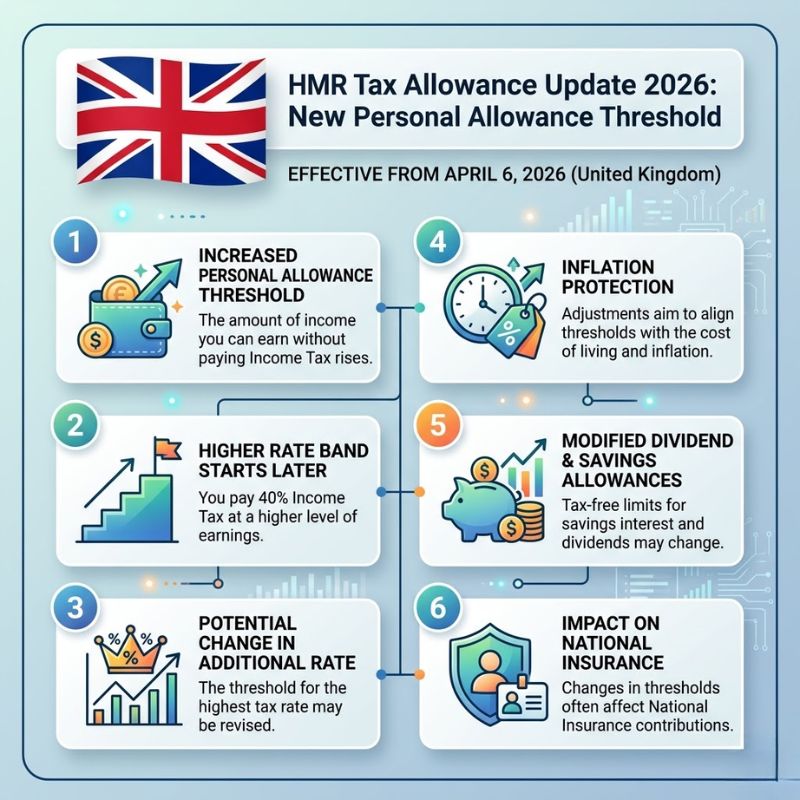
In real terms this is a stealth tax increase and this is known as fiscal drag. The thresholds will be frozen all the way to 2031 after Chancellor Rachel Reeves announced an extension to the existing freeze.
Money expert Martin Lewis explained on his live ITV1 show in November exactly how it works.
He said that by far the biggest tax rising measure that will cost everyone is called fiscal drag which is the freezing of your Income Tax and National Insurance rates.We provide content based on your preferences & use your information to enhance our services.
This includes advertisements from us & third parties. You can opt out whenever you wish.
Please review our Privacy Policy. The current tax system works as follows.
- The first £12,570 you earn is tax-free.
- Income above this amount is taxed at 20%.
- The higher rate of 40% applies once you earn more than £50,270.
- There is an unusual feature where your tax-free allowance decreases after you earn £100000.
- This creates an effective tax rate of 60%.
- When your income reaches £125000 you pay the top rate of 45%.
Fiscal drag happens when tax thresholds stay the same while wages increase.
The thresholds were originally frozen until 2028.
The Chancellor has now extended this freeze until 2031.