Households should check if they can earn up to £18,570 tax-free through a Personal Allowance option from HMRC that can be claimed again in the new tax year starting Monday April 10. Most working people can earn up to £12,570 without paying Income Tax through the Personal Allowance which remains at £12,570 for the upcoming tax year.
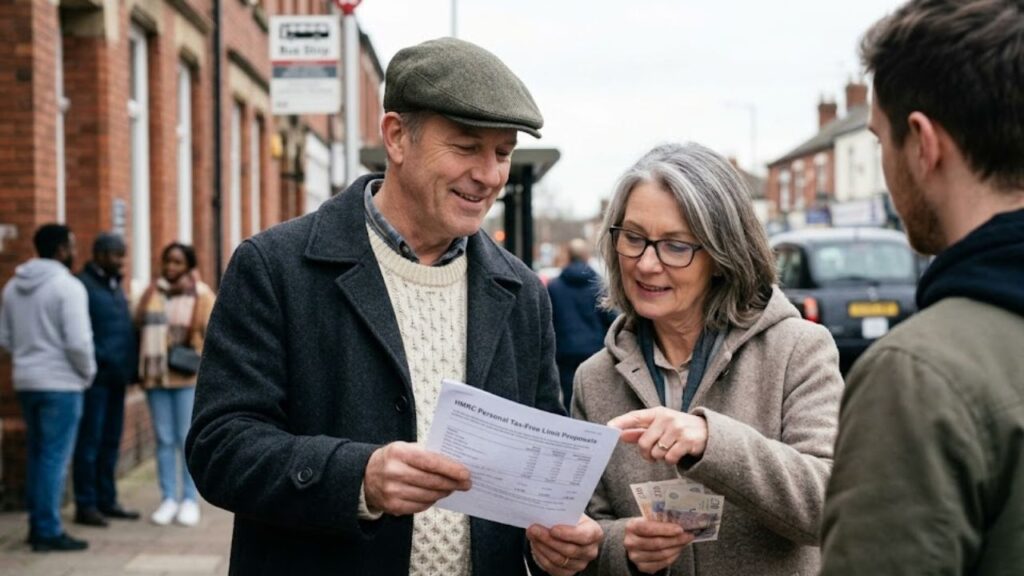
However if you earned less than £18,570 in a year you could increase your tax-free allowance to that amount using an HMRC option called the Starting Rate for Savings. This works by adding a boosted savings interest allowance to your existing tax-free allowance.
 HMRC Personal Allowance Update 2026: New Tax-Free Threshold Effective From April 6 Explained
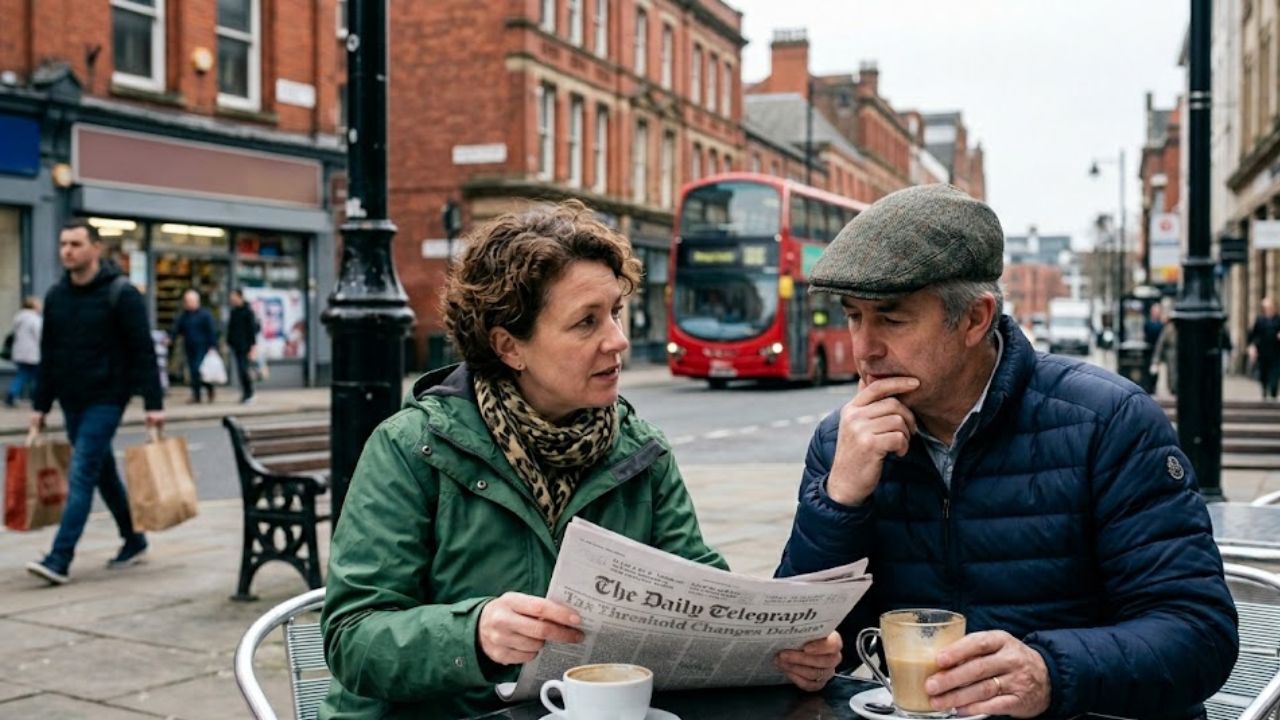
People who earn less than £12,570 from work or pension can get the full £5000 allowance. This means you can earn up to £5,000 in interest from savings accounts without paying any tax on it.

You can also add another £1,000 from the standard Personal Savings Allowance which means you can earn an additional £1,000 of savings interest tax-free.
Money expert Martin Lewis explains that if you earn less than £18,570 a year from earned income & savings combined then all your interest from those savings could be tax-free. This happens because you get your personal allowance before you start to pay income tax at £12,570 plus the starting rate for savings up to £5,000 and the personal savings allowance of £1000 all working together.
People who earn over £12,570 lose £1 of their starting savings rate allowance for every £1 over the threshold. Martin Lewis’ MSE provides an example with Cheryl who has no income from work but has £20,000 of savings income.
In this case Cheryl will need to pay tax of just £286. Since she has no earned income the savings interest is mostly covered by a combination of allowances including the personal allowance where the first £12,570 is tax-free and the starting savings rate where the next £5,000 is tax-free.The result is that £17,570 of the interest income has no tax applied to it.
The personal savings allowance adds another £1,000 that is free from tax. This brings the total tax-free amount to £18,570. This means Cheryl has £1,430 of savings income left that needs to be taxed.
Since she has no other income this amount is taxed at the basic rate of 20%. She will pay £286 in tax.
HMRC explains that you can receive up to £5000 of interest without paying tax on it. This is called your starting rate for savings. The amount you earn from other sources like wages or pension affects how much starting rate for savings you can use.
Higher earnings from other income means a lower starting rate for savings. If your other income reaches £17570 or more you cannot use the starting rate for savings. The starting rate for savings has a maximum limit of £5,000.
For every £1 you earn above your Personal Allowance your starting rate for savings decreases by £1. HMRC provides this example.
You earn £16,000 in wages & receive £200 in interest from your savings. Your Personal Allowance stands at £12570. The first £12,570 of your wages uses up this allowance. The leftover £3,430 of your wages reduces your starting rate for savings by the same amount. This figure comes from subtracting £12570 from £16,000.